

Write This: Earning Our Language
Overcoming Clichés Through Sustained Attention


Welcome to the March installment of Write This, where Solum presents a brief reflection and writing prompt for you to engage with in your preferred medium. You can either delve into the prompts on your own, or join our Paid Subscriber Workshops in our Substack chat, where you can submit your piece to receive enriching feedback from fellow peers and members of Solum’s masthead.

Here on the East Coast, the birds are returning after a long, bitter winter. Finally, the hills and fields are getting on with the business of spring. Everything is bright again, and though grass still glistens with frost every morning, light is staying and color is blooming.
For writers, spring offers generous wealth when it comes to description and imagery, metaphor and symbolism. Spring seems to carry a primal story in its bones, a narrative about dying and rising that’s Christologically echoed on Easter Sunday. For me, I feel this story most deeply when spring first invades winter, beginning with tentative hints until suddenly, the world is fully alive with green and gold.
Such a time is a treasure trove for writers, which makes it all the more unfortunate how writing about spring suffers most acutely from clichés. Adorned in the gaudy dress of stale writing, spring is often shallow. There’s no muscle or teeth or soul in it, only a sweetness that whiffs of clichéd sentiment.
Every writer knows that clichés are enemies, but I don’t think they’re as evil as they first appear. When I’m writing, using “light as a feather” or “calm before the storm” is usually a knee-jerk reaction to not knowing how to describe something. Used this way, clichés act as placeholders, which could be helpful so long as you revisit them during revision. Still, even if one slips through the cracks, they’re not proof that a writer is a terrible hack who doesn’t have skill or even love for what they do. More than anything, clichés most often signal a lack of purposeful attention.
As I said, I think clichés are so prevalent because describing things is hard, and plucking a well-known simile or trope from the annals of human language is much easier than sitting with something long enough to actually think of a nuanced way to express it. Whether conscious or not, clichés slither up when writers fail to fully engage with their writing, especially when it comes to describing the natural world. However, the remedy for this is quite simple: attention.
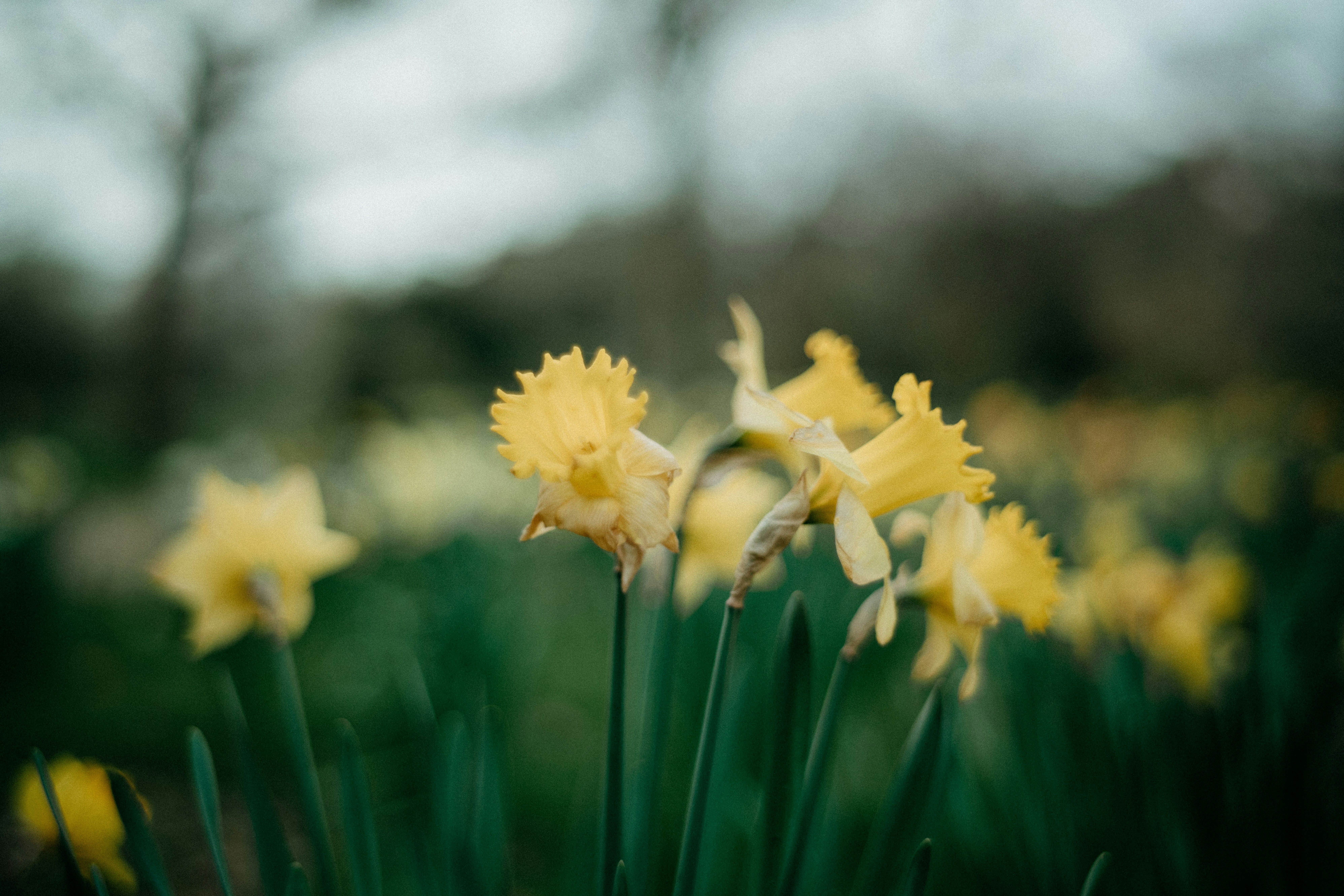
We must forgo the easeful path of describing only the surface of things and instead peer deeply into them. Doing so leads to unexpected enrichment, even from things we’ve seen or read thousands of times, like daffodils pushing up through snowmelt or the classic journey of a hero. In terms of beauty, the world is always gesturing toward a greater reality beyond ours; this is a well that never runs dry. Poet Gerard Manley Hopkins says it much better than me in his poem “God’s Grandeur”:
“And for all this, nature is never spent; / There lives the dearest freshness deep down things”1
Armed with a storyteller’s imagination, attending to the natural world is an unveiling activity, and it results in earned language. Such language enables us to craft images and write stories that jolt, that punch, that display truth so it may shine through words and awaken those who sleep.
Clichés, on the other hand, are not the deep down things. They smother heat from roaring fires and choke songs from the wind. Even more severely, they sever mystery from wildness and strip meaning from struggles. Everything is reduced to mere words, shallow words, since they lack the deep weight that anchors us in the fullness of language.
For this reason, more than any other, clichés must be avoided, but make no mistake: Attending, like describing things, is hard. A sustained gaze must be cultivated, exercised again and again, until real flowers can grow from our words. Such making is only possible by sitting with something for hours, days, even years, attending to it as a gardener attends to his roses. But the reward for doing so is substantial. Through loving attention and deep awareness, we earn the very words we wish to write. With this in mind, we invite you to attend well and Write This:
After attending well to something, write an imaginative piece about the natural world. Challenge yourself to not use clichés or overused expressions.
*For great examples of natural imagery that avoids clichés, check out “What Secret Purple Wisdom” by Luci Shaw or Gilead by Marilynne Robinson.
Today’s piece is brought to you by Solum’s wonderful intern, Sarah Tate.
“God’s Grandeur,” Gerard Manley Hopkins, lines 9-10
Thanks for the encouragement!