

Write This: Pilgrims All
Writing Far from Home


Welcome to the May installment of Write This, where Solum presents a brief reflection and writing prompt for you to engage with in your preferred medium. You can either delve into the prompts on your own, or join our Paid Subscriber Workshops in our Substack chat, where you can submit your piece to receive enriching feedback from fellow peers and members of Solum’s masthead.

About a year ago, I lost my writing somewhere in the city. Because of an internship, I packed my bags and left my home in the country for Washington D.C., and to say I was unprepared would be an understatement. I was raised on the dampness of mulch and the smell of rain-glossed pine. I didn’t step a toe into a big city until my early twenties, so when I moved, I moved into an alien planet, where traffic was eternal and highway ramps conspired to create something like a labyrinth from Greek mythology.
It was a world turned upside down, and I didn’t care for the view. To make matters worse, I just couldn’t write while I was there. I was truly a writer unmoored, lost in the tangle of a hazy city as unfamiliar as a stranger you meet at midnight. I had plenty of spare hours, but my creative well had dried up. At the time, I couldn’t understand it.
Pining for home wasn’t my fatal mistake, but this was: I was looking at my new locale with nothing but condemnation, unwilling to even try to see any mystery or beauty springing forth from such a bizarre landscape. It wasn’t home, so it didn’t matter. I know now that such thoughts poisoned my writing for months.
Eventually, I made it back to my trees and hills. I came home, but I returned with nothing. I can’t help but wonder what I missed seeing there in the city because I refused to look. If I had let myself, what could I have written? Who could I have become? I’m afraid to say that I sneered at my opportunity and therefore squandered it. I won’t get a chance to explore that time and place again.
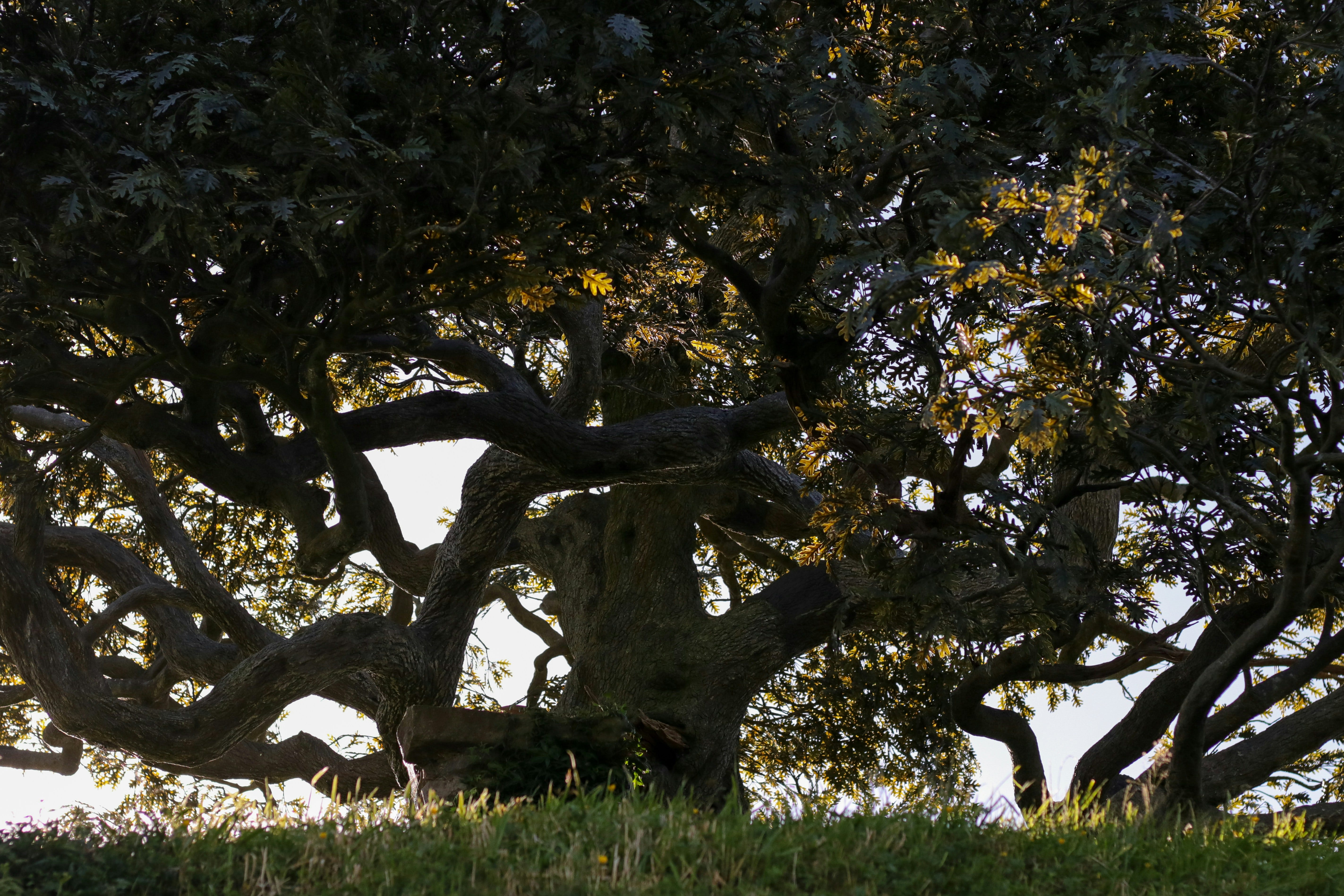
As people, we’re profoundly connected to place, which means as writers, we understand that a setting is not only where something happens; it’s the north star of our stories, the soil in which we plant all the good stuff. In terms of characterization, place is often the incarnate explanation for a character’s choices and thought patterns, which makes it intricately synonymous with a character’s very soul.
Place can also be transformative. Something amazing happens when you toss characters into a wild darkness or when you etch a poem into the bark of an unfamiliar tree. But it would be unwise of us not to also acknowledge the risky side of place. It’s tough hiking to leave home and hearth and venture into the unknown. We leave much when we leave our familiar haunts, when we say goodbye to the shadows we recognize and the roads that know our names. “It’s a dangerous business, Frodo, going out of your door,” Bilbo says to his nephew. “You step into the Road, and if you don’t keep your feet, there is no knowing where you might be swept off to.”1
Fairy tales know this truth well: sometimes you must leave home to find out exactly who you are and where you belong. We must bid farewell to the Shire and crawl through strange valleys. Leaving the usual scenes, getting lost, being whittled down by different sights and smells, finally returning home with new eyes, hands, or hearts—it’s how we deepen. To wander is to grow. This is the true story of place.
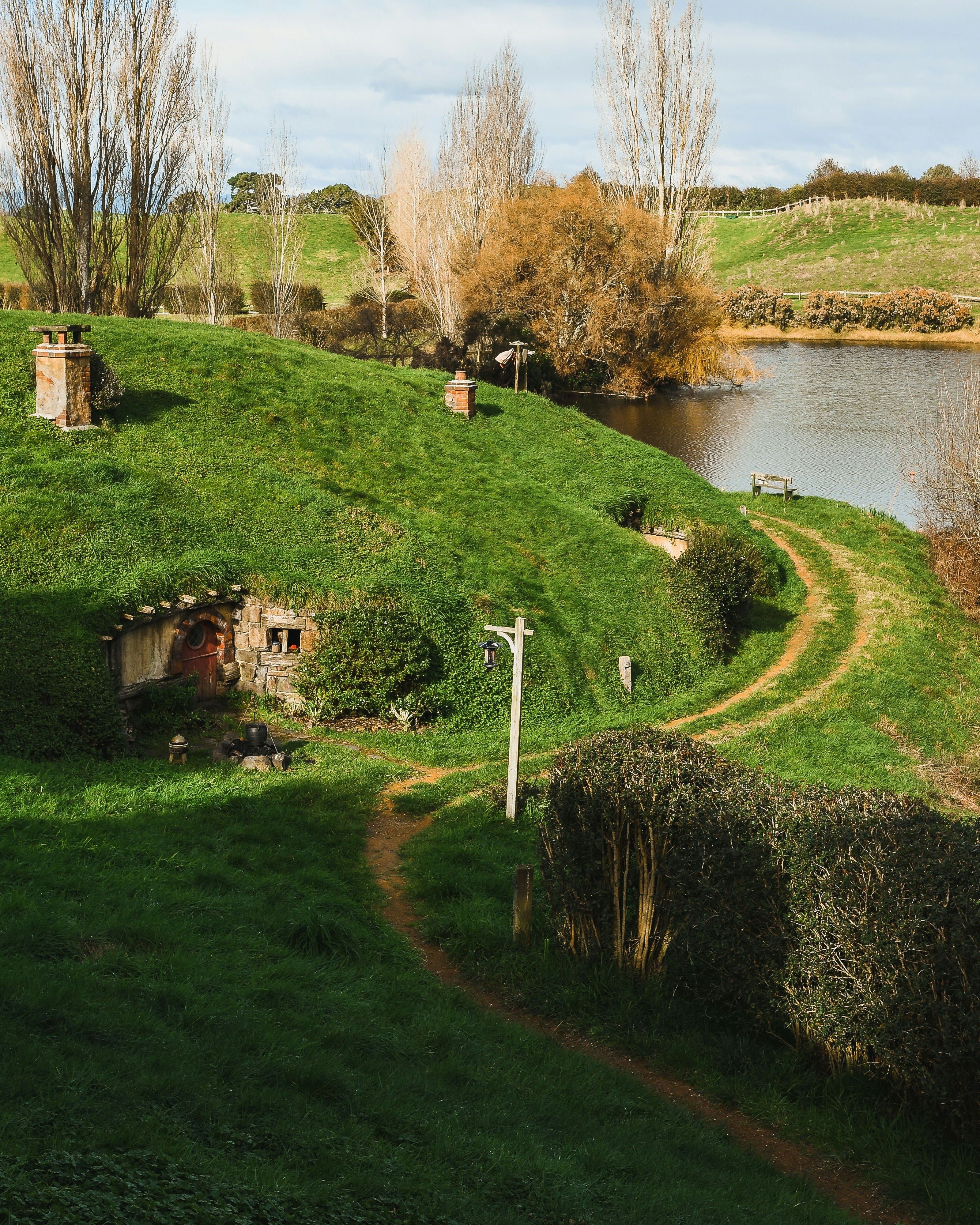
Though, on the flip side, sometimes we need to learn to stay, which comes with its own bundle of challenges. There’s something sacred about being able to stroll beside the same river, walk the same streets, and never lose wonder for them. Problems invade when we scoff at the familiar because it’s familiar. No treasure in this place, we say, but this damages writing because it damages the soul.
Whether we go far away and long ago, across seas and up summits, whizzing through stars or standing on the grass right beneath our feet, writing makes us all pilgrims. We must dig past familiar ground and brave unknown chasms to go deep enough to unearth the hidden heart of a place. Familiar or unfamiliar, we miss riches when we refuse to look closely at place and how it can shape our writing. With this in mind, we invite you to embark and Write This:
Write an imaginative piece that focuses on place. Challenge yourself to write about an unfamiliar setting or to discover something new in a familiar place.
Today’s piece is brought to you by Solum’s wonderful intern, Sarah Tate.
J.R.R. Tolkien, The Fellowship of the Ring, pg. 102
Love the startling statement:”Writing makes us all pilgrims.” This piece makes me want to head out the door with notebook and pen in hand.
Fantastic, I loved all the imagery in the opening section. Really captured your experience of places and pilgrimage, staying, and leaving-all in such a short piece!! I’ll be returning to this for inspiration!